How to Layer Fragrances: Simple Pairings That Actually Work
7 augustus 2026
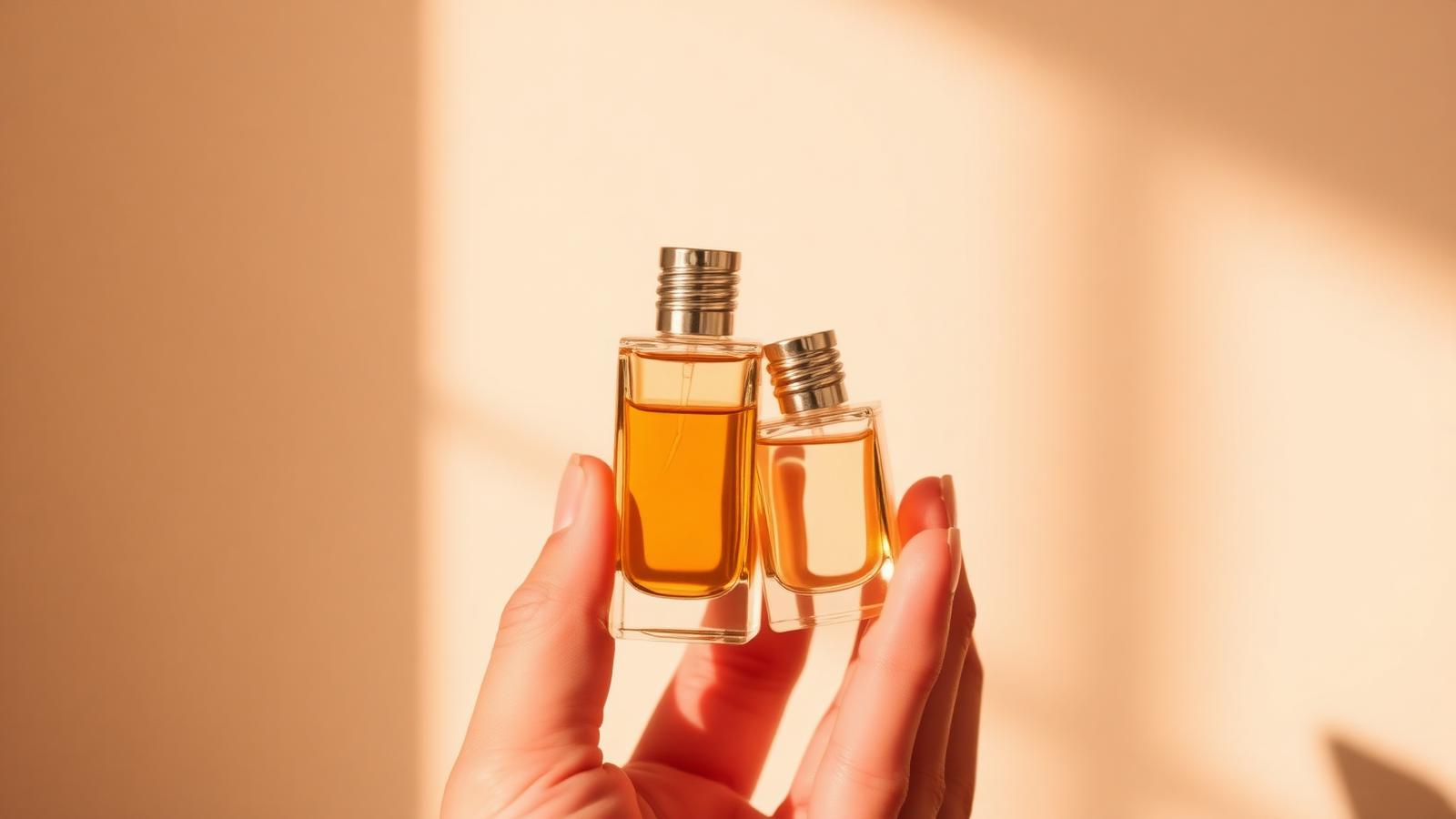
Layering is not about mixing everything you own. One base, one accent, two sprays each — here's the rule, five combinations that work, and the mistakes to skip.
Fragrance layering has a reputation for being either a professional's trick or a teenager's mistake. It is neither. It is one simple rule applied with restraint: one fragrance provides the base, the other provides an accent, and you stop at two.
The rule: base plus accent
Choose a scent with weight — a woody, amber, musk or vanilla composition — and spray it first, two sprays, on the chest or the back of the neck. Then choose something light and sharp — a citrus, a rose, a green or aromatic scent — and add one or two sprays on the wrists.
The heavy one anchors and lasts. The light one is what people notice in the first hour. Reverse the order and the light scent simply disappears.
Two fragrances, three or four sprays total. Layering fails almost exclusively because people use too much, not because they chose badly.
Five pairings worth trying
- Vanilla base plus citrus accent — the easiest win. Warm and edible underneath, bright and awake on top. Good year-round, excellent in autumn.
- Oud or sandalwood base plus rose accent — the classic Middle Eastern structure, and the reason so many rose-oud fragrances exist as single bottles.
- White musk base plus green or fig accent — reads as expensive soap and clean linen. Ideal for offices and hot weather.
- Amber base plus spice accent — cardamom or pink pepper over labdanum. Dinner, winter, evening.
- Leather or tobacco base plus tonka accent — smoky and sweet at once, and far more wearable than either sounds on paper.
What to avoid
Do not layer two loud fragrances. Two heavyweight ambers will not become a better amber; they will become a headache. Do not layer two scents from the same family expecting nuance — you will get a muddier version of one of them. And do not layer on clothing until you have tested on skin, because oils stain and warmth is what makes layering work in the first place.
Give any combination fifteen minutes before you judge it. The first minute is all top notes, and top notes clash even when the fragrances underneath agree.
Why decants make layering affordable
Layering is experimental by nature, and experiments with full bottles are expensive. With 3ml and 5ml decants you can try eight combinations for less than the cost of one boutique bottle, keep the two that work and lose nothing on the six that did not.
Pick a base you already own and add two contrasting accents in the smallest size. Wear each pairing for a full day before deciding. Our Layering Guide suggests combinations built from decants currently in stock, and the Notes Library is the fastest way to find an accent in a family you have not tried yet.